



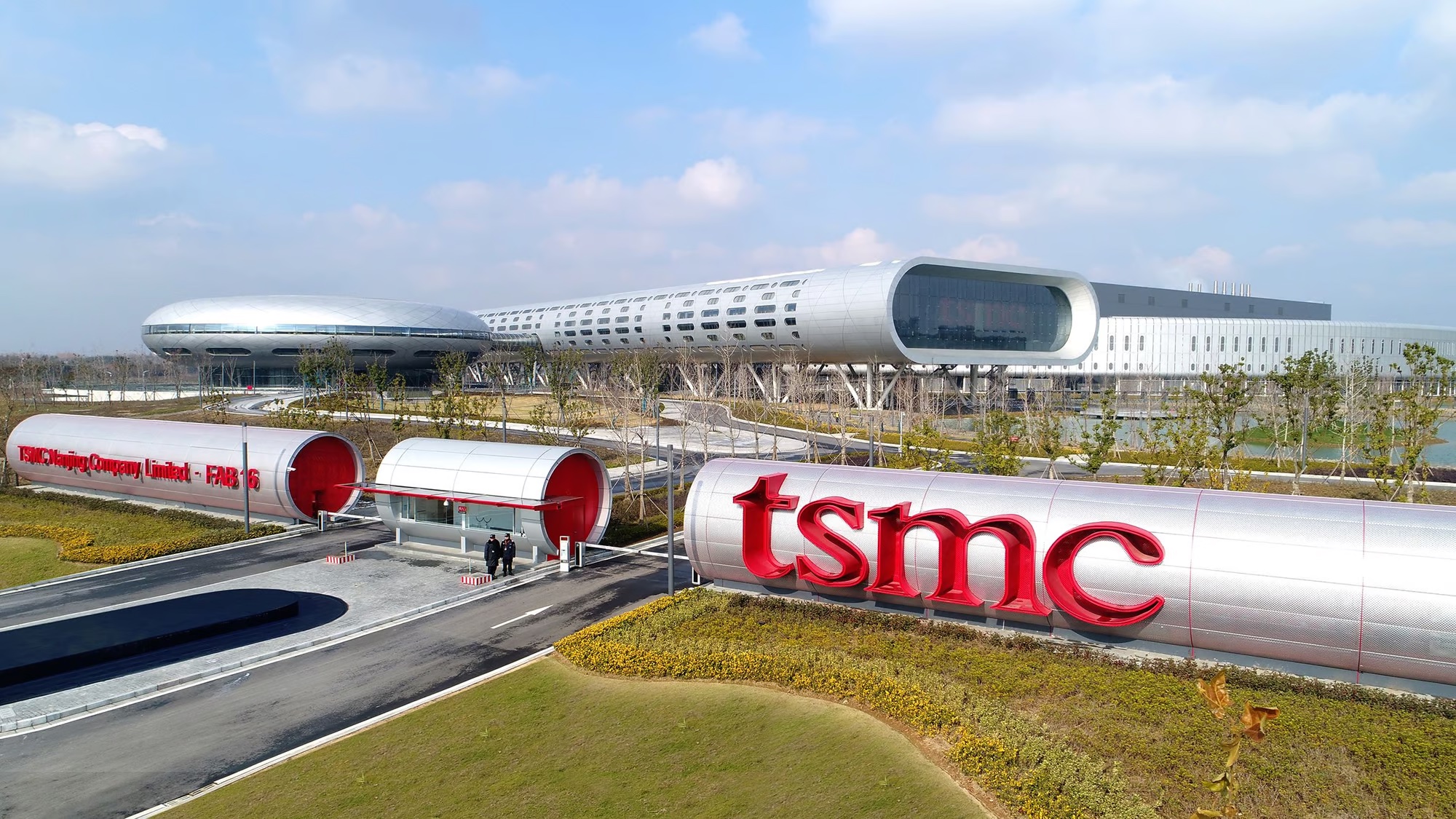
Taiwan Semiconductor Manufacturing Company (TSMC) finds itself at the centre of a perfect storm: unprecedented AI chip demand that it cannot fully satisfy, escalating trade tensions that threaten its business model, and geopolitical risks that expose the fragility of global semiconductor supply chains.
Speaking at TSMC’s annual shareholders meeting in Hsinchu on Tuesday, CEO C.C. Wei delivered a confident outlook for the semiconductor giant, stating that “our revenue and profit this year will set new historical highs.”
The bullish projection comes as the company grapples with the indirect effects of US tariffs while simultaneously struggling to meet unprecedented demand for AI applications.
Tariff impact remains manageable despite industry concerns
Wei addressed growing concerns about the impact of President Donald Trump’s trade policies on the global chip industry, acknowledging that tariffs do affect TSMC, though not directly.
“Tariffs are imposed on importers, not exporters. TSMC is an exporter,” Wei explained to shareholders. “However, tariffs can lead to slightly higher prices, and when prices go up, demand may go down.”
He emphasized that while TSMC’s business could be affected if tariffs force up prices and reduce overall chip demand, the company’s position remains strong. “Our business will still be very good,” Wei stated, adding, “I am not afraid of anything, I am only afraid that the world economy will decline.”
Trump’s sweeping tariff policies have created significant uncertainty across the semiconductor sector. The administration initially imposed a 32% duty on imports from Taiwan as part of broader trade measures, though these were later pausedfor 90 days and semiconductors were notably excluded from the levies.
AI applications drive unprecedented growth
Despite trade policy headwinds, TSMC’s core business continues to benefit from explosive growth in artificial intelligence applications. Wei emphasized that AI chip demand remains “very strong” and consistently outpaces the company’s ability to supply.
“Our job is to provide our customers with enough chips, and we’re working hard on that. ‘Working hard’ means it’s still not enough,” he told the meeting. The company’s customer roster includes tech giants Apple and Nvidia, both of which have been major drivers of AI-related semiconductor demand.
TSMC’s April sales figures underscore this robust demand, with the company reporting NT$349.6 billion ($11.6 billion) in revenue—a 48.1% increase from the previous year and 22.2% growth from March.
Wei noted that the surge partly resulted from companies stockpiling semiconductors ahead of anticipated tariff increases,but stressed that underlying AI demand fundamentals remain exceptionally strong.
Production capacity expansion challenges
The mismatch between AI chip demand and available supply has become a defining challenge for TSMC. Wei indicated that the company is actively working to “increase production capacity to satisfy our customers,” though the scale of demand continues to strain even the world’s most advanced semiconductor manufacturing capabilities.
This capacity constraint reflects broader industry dynamics where AI applications—from data centre processors to consumer devices—require increasingly sophisticated and powerful chips that only a handful of manufacturers can produce at scale.
Geopolitical pressures and expansion strategy
TSMC faces mounting pressure to diversify its manufacturing footprint away from Taiwan, where the majority of its fabrication plants are currently located. Beijing’s continued claims over Taiwan and threats to use force have heightened concerns about supply chain resilience for critical semiconductor production.
Wei directly addressed recent media speculation about potential Middle East expansion, firmly denying reports that TSMC was considering building chip factories in the United Arab Emirates. “I think rumours are really flying everywhere,” he said, dismissing the Bloomberg reports that cited unnamed sources.
The company has been actively establishing a manufacturing presence in other regions, with facilities under development in the United States, Europe, and Japan. These expansion efforts aim to address both geopolitical risks and customer demands for geographically diversified supply chains.
Regulatory compliance and China relations
TSMC’s operations continue to navigate complex regulatory requirements spanning multiple jurisdictions. Wei confirmed that the company works closely with both Taiwan and U.S. governments to ensure compliance with legal and regulatory requirements.
The company recently suspended shipments to China-based chip designer Sophgo after discovering that its chip matched components found in AI processors from Huawei Technologies, a Chinese company subject to extensive US government restrictions.
This incident highlights the ongoing challenges TSMC faces in balancing commercial relationships with regulatory compliance.
Industry outlook and economic concerns
While TSMC’s near-term prospects appear robust, Wei acknowledged broader economic risks that could impact the semiconductor industry. The executive’s comment about fearing economic decline more than specific trade policies reflects a recognition that global demand patterns ultimately drive the industry’s fortunes.
The company’s record-setting performance projections suggest that current AI chip demand trends are sufficiently strong to offset potential headwinds from trade policies or broader economic uncertainty. However, the sustainability of this growth will likely depend on continued advancement in AI applications and the global economy’s overall health.
(Photo by TSMC )
See also: Huawei Supernode 384 disrupts Nvidia’s AI market hold

Want to learn more about AI and big data from industry leaders? Check out AI & Big Data Expo taking place in Amsterdam, California, and London. The comprehensive event is co-located with other leading events including Intelligent Automation Conference, BlockX, Digital Transformation Week, and Cyber Security & Cloud Expo.
Explore other upcoming enterprise technology events and webinars power
