



AI-powered scams are evolving rapidly as cybercriminals use new technologies to target victims, according to Microsoft’s latestCyber Signals report.
Over the past year, the tech giant says it has prevented $4 billion in fraud attempts, blocking approximately 1.6 million bot sign-up attempts every hour – showing the scale of this growing threat.
The ninth edition of Microsoft’s Cyber Signals report, titled “AI-powered deception: Emerging fraud threats and countermeasures,” reveals how artificial intelligence has lowered the technical barriers for cybercriminals, enabling even low-skilled actors to generate sophisticated scams with minimal effort.
What previously took scammers days or weeks to create can now be accomplished in minutes.
The democratisation of fraud capabilities represents a shift in the criminal landscape that affects consumers and businesses worldwide.
The evolution of AI-enhanced cyber scams
Microsoft’s report highlights how AI tools can now scan and scrape the web for company information, helping cybercriminals build detailed profiles of potential targets for highly-convincing social engineering attacks.
Bad actors can lure victims into complex fraud schemes using fake AI-enhanced product reviews and AI-generated storefronts, which come complete with fabricated business histories and customer testimonials.
According to Kelly Bissell, Corporate Vice President of Anti-Fraud and Product Abuse at Microsoft Security, the threat numbers continue to increase. “Cybercrime is a trillion-dollar problem, and it’s been going up every year for the past 30 years,” per the report.
“I think we have an opportunity today to adopt AI faster so we can detect and close the gap of exposure quickly. Now we have AI that can make a difference at scale and help us build security and fraud protections into our products much faster.”
The Microsoft anti-fraud team reports that AI-powered fraud attacks happen globally, with significant activity originating from China and Europe – particularly Germany, due to its status as one of the largest e-commerce markets in the European Union.
The report notes that the larger a digital marketplace is, the more likely a proportional degree of attempted fraud will occur.
E-commerce and employment scams leading
Two particularly concerning areas of AI-enhanced fraud include e-commerce and job recruitment scams.In the ecommerce space, fraudulent websites can now be created in minutes using AI tools with minimal technical knowledge.
Sites often mimic legitimate businesses, using AI-generated product descriptions, images, and customer reviews to fool consumers into believing they’re interacting with genuine merchants.
Adding another layer of deception, AI-powered customer service chatbots can interact convincingly with customers, delay chargebacks by stalling with scripted excuses, and manipulate complaints with AI-generated responses that make scam sites appear professional.
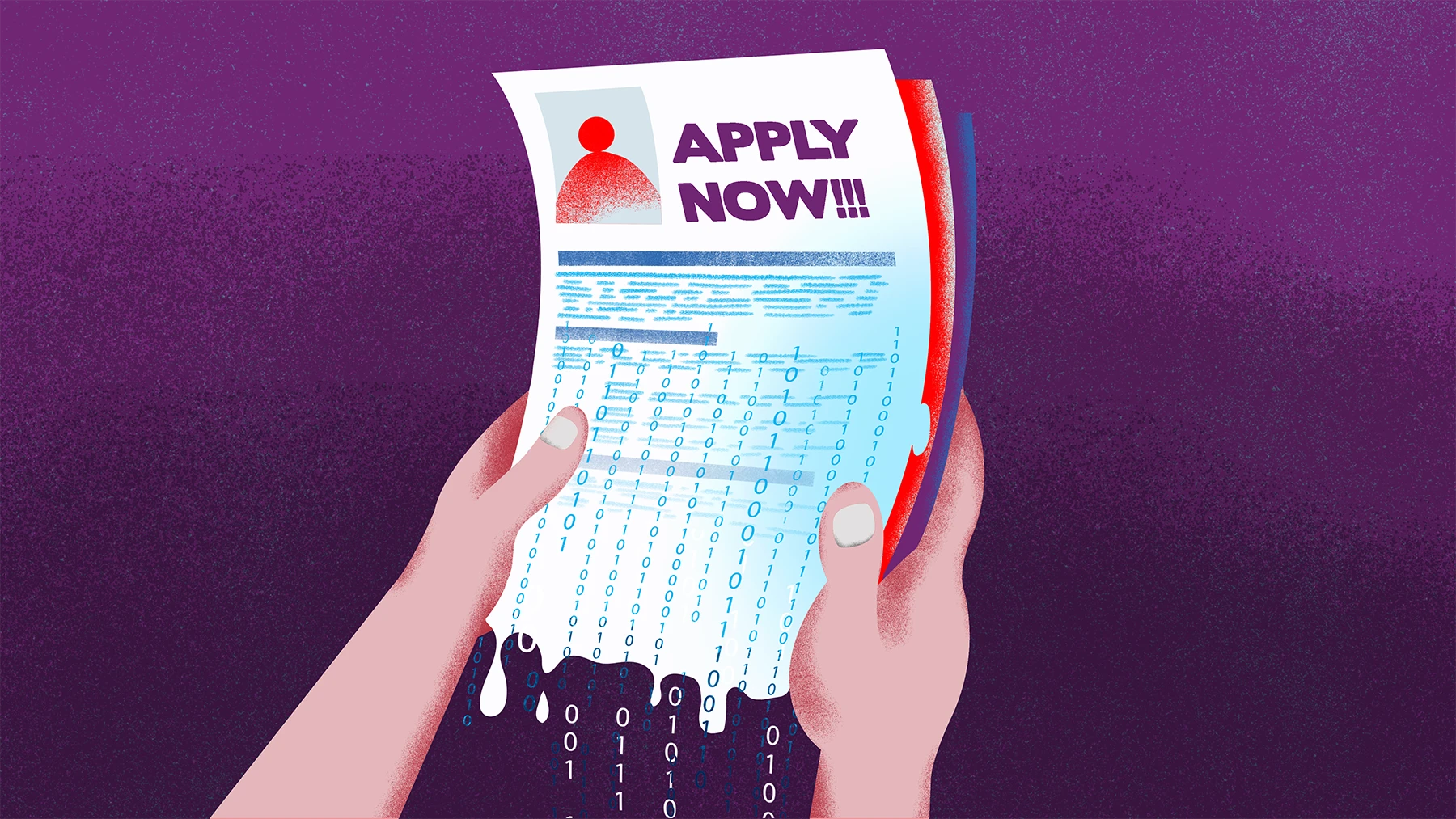
Job seekers are equally at risk. According to the report, generative AI has made it significantly easier for scammers to create fake listings on various employment platforms. Criminals generate fake profiles with stolen credentials, fake job postings with auto-generated descriptions, and AI-powered email campaigns to phish job seekers.
AI-powered interviews and automated emails enhance the credibility of these scams, making them harder to identify. “Fraudsters often ask for personal information, like resumes or even bank account details, under the guise of verifying the applicant’s information,” the report says.
Red flags include unsolicited job offers, requests for payment and communication through informal platforms like text messages or WhatsApp.
Microsoft’s countermeasures to AI fraud
To combat emerging threats, Microsoft says it has implemented a multi-pronged approach across its products and services. Microsoft Defender for Cloud provides threat protection for Azure resources, while Microsoft Edge, like many browsers, features website typo protection and domain impersonation protection. Edge is noted by the Microsoft report as using deep learning technology to help users avoid fraudulent websites.
The company has also enhanced Windows Quick Assist with warning messages to alert users about possible tech support scams before they grant access to someone claiming to be from IT support. Microsoft now blocks an average of 4,415 suspicious Quick Assist connection attempts daily.
Microsoft has also introduced a new fraud prevention policy as part of its Secure Future Initiative (SFI). As of January 2025, Microsoft product teams must perform fraud prevention assessments and implement fraud controls as part of their design process, ensuring products are “fraud-resistant by design.”
As AI-powered scams continue to evolve, consumer awareness remains important. Microsoft advises users to be cautious of urgency tactics, verify website legitimacy before making purchases, and never provide personal or financial information to unverified sources.
For enterprises, implementing multi-factor authentication and deploying deepfake-detection algorithms can help mitigate risk.
See also: Wozniak warns AI will power next-gen scams

Want to learn more about AI and big data from industry leaders? Check out AI & Big Data Expo taking place in Amsterdam, California, and London. The comprehensive event is co-located with other leading events including Intelligent Automation Conference, BlockX, Digital Transformation Week, and Cyber Security & Cloud Expo.
Explore other upcoming enterprise technology events and webinars powered by TechForge here.
